

Post Preview
Table of Contents
- Understanding SEO Migration
- Pre-Migration Planning
- Implementing 301 Redirects
- Preserving Content and Metadata
- Updating Internal Links
- Monitoring Post-Migration Performance
- Common Mistakes to Avoid
- Conclusion
Website migration can be a turning point for businesses looking to modernize their digital presence, but it also carries substantial risks. Neglecting SEO during this transition could lead to a sharp drop in organic search visibility, resulting in lost traffic and leads. Taking proactive steps shapes the difference between a smooth migration and lost positions in search results. As you consider migration, explore expert guidance and dedicated professional services, such as https://victorious.com/services/seo/seo-migration-services/ to ensure your site’s move is handled with search performance in mind.
A successful SEO migration strategy focuses on controlling every variable, including URLs, site structure, content, and internal linking, to safeguard rankings. A meticulous process is necessary because even seemingly minor oversights, such as missing redirects or outdated metadata, can undo months or years of hard SEO work. By following a structured approach, you can protect your investment in online visibility and create a stronger foundation for growth after migration.
Whether transitioning to a new platform, redesigning the website, or consolidating multiple properties, every step should be deliberate and data-driven. Thorough audits, clear migration plans, and continuous post-launch monitoring are critical to avoid preventable setbacks. Even if migration is necessary for business growth, it need not come at the expense of SEO performance.
Done right, website migration is an opportunity to resolve legacy technical issues, improve the user experience, and implement advanced SEO techniques. But the benefits only materialize with careful planning, diligent execution, and ongoing oversight.
Understanding SEO Migration
SEO migration refers to any significant website overhaul that could affect visibility in organic search results. This could involve moving domains, changing the site’s structure, merging sites, redesigning the site, or shifting to a new content management system. The primary goal is to ensure that search engines continue to find, crawl, and rank your pages as expected. Many migrations suffer from improperly mapped redirects, lost content, or incomplete metadata, resulting in ranking and traffic losses. By anticipating these challenges, an SEO migration plan ensures the website retains its authority and relevance with Google and other search engines. Learn more about common SEO migration scenarios and their impact in industry guides from Search Engine Journal.
Pre-Migration Planning
Preparation is fundamental to a seamless site migration. It begins with a full audit of the current environment, mapping out every existing URL, asset, and piece of metadata. This ensures nothing valuable is inadvertently lost. Next, lay out a detailed migration strategy. This should include assigning roles to team members, defining technical requirements, and setting a clear timeline with milestones and contingency plans. Backup processes are mandatory before migration, providing a recovery point in case of errors or data loss during the move. Identify stakeholders, compile your prelaunch checklist, and prepare testing environments to minimize surprises during deployment.
Implementing 301 Redirects
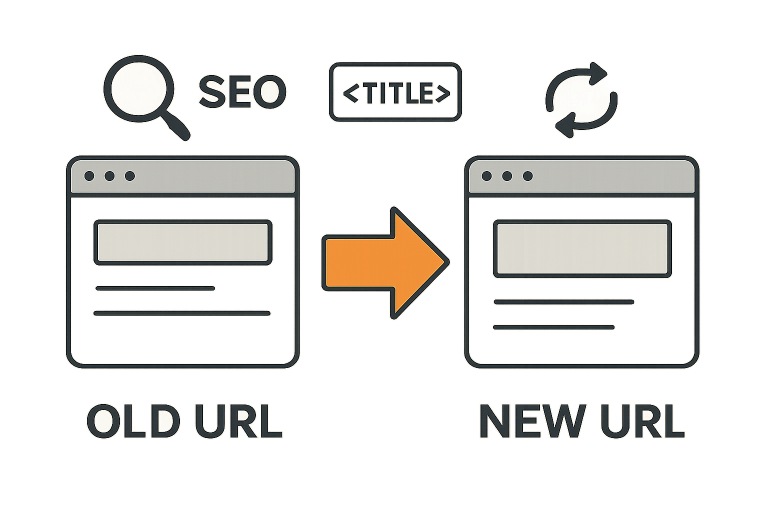
Redirects are essential to retain authority from your old URLs and serve users the information they expect. Map every legacy URL to its new counterpart to avoid error pages and preserve backlink value. Direct, single-step 301 redirects are preferred over complex chains, which can introduce crawling inefficiencies and reduce the transfer of link equity. Use website crawling tools and sitemap comparisons to ensure every important URL receives the correct redirect, and double-check after launch for any errors or omissions.
Preserving Content and Metadata
Consistent content and metadata continuity are vital for stable search performance post-migration. Retain your high-performing pages and make sure their title tags, meta descriptions, and structured headers are accurately transferred. This not only helps maintain rankings but also preserves crucial on-page optimizations that set your website apart from the competition. Also, strive to match alt text, canonical tags, and schema markup. If you consolidate or prune underperforming content, do so based on analytics and site strategy, not guesswork.
Updating Internal Links
As the site structure evolves, so must your internal linking strategy. Update all internal references to ensure they use the correct, updated URLs. This reduces the risk of broken links and creates a cohesive navigation experience for both users and search engines. Whenever possible, create URLs to make the process more flexible across development and production sites, particularly if the migration includes a domain change. Audit your site after migration for any lingering broken links or outdated references with tools like Google Search Console or Screaming Frog.
Monitoring Post-Migration Performance
Website migration does not end at launch. It is crucial to monitor performance indicators in the weeks that follow. Submit your new XML sitemap to Google Search Console to speed up indexation. Use analytics tools to track any fluctuations in traffic, keyword rankings, and crawl errors. Address unexpected dips and errors quickly, leveraging resources from major SEO publications like Search Engine Journal for troubleshooting best practices. Prioritize rapid resolution of critical issues and continue regular performance checks during the migration’s settling period.
Common Mistakes to Avoid
- Leaving SEO until the last minute: Engage SEO professionals at the outset to ensure your migration plan prioritizes organic search stability.
- Inadequate redirect mapping: Failing to map redirects precisely can result in lost traffic, authority, and revenue.
- Failing to update internal links: Old references can lead to a poor user experience and missed SEO opportunities.
- Overlooking content and metadata: Do not assume automated migrations will keep everything. Manually verify and transfer on-page elements for top landing pages.
Conclusion
Executing a successful website migration requires careful planning, strategic foresight, and meticulous implementation. At each stage, from pre-launch auditing to post-launch monitoring, prioritize SEO best practices to safeguard existing search rankings and minimize traffic loss. This includes preserving URLs, optimizing redirects, updating internal links, and maintaining site speed and structure. Collaboration with experienced professionals can help navigate technical challenges and anticipate potential pitfalls. Clear communication among stakeholders and consistent post-launch performance tracking ensure issues are quickly addressed. By combining careful planning, expert guidance, and ongoing optimization, a website migration can strengthen online presence and drive sustainable growth.