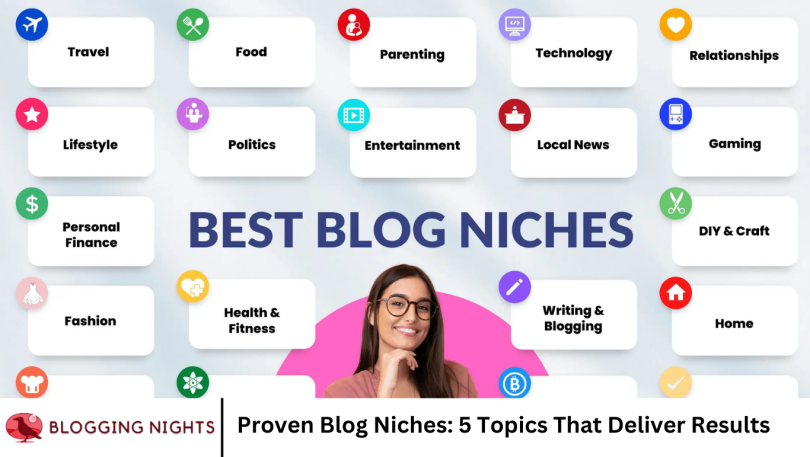

In the vast digital ocean of content, standing out requires more than just passion—it demands strategy. One of the most critical decisions any blogger makes early on is selecting the right niche.
The niche you choose can determine your blog’s growth, income potential, and sustainability over time. While countless niches exist, not all are created equal. Some have proven to consistently attract large audiences, generate engagement, and monetize effectively.
In this article, we’ll dive into five of the most proven blog niches that deliver real results. Whether you’re just starting or thinking about pivoting your existing blog, these niches offer strong foundations for traffic, trust, and monetization.
More Read: 7 Effective Ways to Turn Blog Visitors into a Community
Personal Finance and Investing
Money matters never go out of style. In fact, personal finance blogs have seen a surge in popularity over the past decade—and for good reason. Whether people are looking to get out of debt, save for retirement, invest in stocks, or build passive income streams, they’re actively searching for advice they can trust.
Why it works:
- Evergreen content: Topics like budgeting, saving, and investing are always relevant.
- High-paying affiliate programs: Financial products often offer generous commissions.
- Massive search volume: Terms like “how to budget” or “best credit cards” generate millions of monthly searches.
- Credibility builds authority: Bloggers with strong personal stories (like paying off $100k debt) build instant rapport with readers.
Sub-niches to explore:
- Frugal living
- Cryptocurrency
- FIRE (Financial Independence, Retire Early)
- Credit repair
- Side hustles
Health and Wellness
Health is wealth—and it’s also one of the most searched-for topics on the internet. From fitness routines and mental health to nutrition and alternative therapies, people are constantly looking for ways to improve their wellbeing.
Why it works:
- Universal appeal: Everyone has health-related concerns or goals.
- Room for storytelling: Personal journeys (e.g., weight loss, mental health recovery) resonate deeply.
- Partnership opportunities: Brands are eager to sponsor content in this niche.
- Scalability: You can expand into courses, coaching, ebooks, and memberships.
Sub-niches to explore:
- Plant-based nutrition
- Home workouts
- Women’s wellness
- Mental health and mindfulness
- Supplements and biohacking
Note: Make sure to clarify whether you’re offering advice based on personal experience or professional qualifications. Health misinformation is taken seriously, so credibility and disclaimers are key.
Technology and Gadgets
Tech blogs are ideal for those who enjoy staying on the cutting edge. From smartphone reviews to AI breakthroughs, this niche attracts a curious and highly engaged audience.
Why it works:
- Frequent product launches = endless content opportunities
- High CPC (Cost Per Click): Tech keywords are lucrative in ad networks.
- Affiliate marketing potential: Think Amazon gadgets, software tools, or SaaS platforms.
- Early adopters love updates: If you’re fast with news or reviews, you’ll earn loyal followers.
Sub-niches to explore:
- Software and app tutorials
- Smart home technology
- AI tools and automation
- Gaming gear and accessories
- Tech for business and remote work
This niche thrives on timeliness and trust—so if you’re willing to test new tools or be a thought leader in a specific subcategory, success can come quickly.
Lifestyle and Personal Development
The lifestyle niche is one of the most flexible—yet it performs best when narrowed down to a specific audience or theme. Combine it with personal development, and you’ve got a winning formula for readers who want to improve their lives and feel inspired while doing it.
Why it works:
Story-driven content keeps readers engaged.
- Massive room for creativity: You can cover productivity, travel, fashion, home decor, or habits.
- Emotional connection builds community faster than other niches.
- Great for brand sponsorships in areas like fashion, beauty, wellness, or home goods.
Sub-niches to explore:
- Productivity and habit building
- Minimalist living
- Self-care routines
- Personal growth and motivation
- Homemaking and décor
To succeed, consistency is key. Lifestyle blogs often rely heavily on visuals, so combining strong photography or video with great writing will elevate your brand.
Education and Online Learning
As the world moves toward digital-first education, blogs that help others learn new skills are booming. Whether you’re teaching math, language learning, business strategies, or even creative hobbies, educational content offers incredible long-term value.
Why it works:
- Evergreen content that people keep coming back to
- Massive potential for selling courses and digital products
- High trust factor if you bring expertise or credentials
- Strong SEO potential: “How to…” searches dominate Google
Sub-niches to explore:
- Homeschooling resources
- Learning a new language
- Professional skill development (like coding or design)
- Music, art, and creative tutorials
- Test preparation (SAT, GRE, etc.)
Educational blogs thrive with structured content (think series, modules, or workbooks). Many bloggers in this space become full-fledged educators or create thriving membership communities.
Tips for Choosing the Right Niche
Choosing a niche isn’t just about popularity—it’s about alignment with your skills, interests, and goals. Here are a few tips to help you decide:
- Passion vs. Profit: Find a balance. If you love the topic, you’re more likely to stick with it.
- Audience demand: Use tools like Google Trends or Answer the Public to gauge interest.
- Monetization options: Make sure the niche has affiliate programs, products, or ad revenue potential.
- Competition check: Don’t fear competition—it means there’s demand. But niche down if it feels saturated.
- Your voice matters: Even in crowded niches, your unique angle or story can set you apart.
How to Monetize a Blog in Any Niche
Once you’ve picked a niche, you’ll want to explore ways to turn traffic into income. Here are common monetization methods that work across all five niches:
- Affiliate marketing: Promote products/services and earn a commission.
- Ad networks: Use Google AdSense or premium networks like Mediavine.
- Sponsored content: Partner with brands for paid posts or campaigns.
- Sell your own products: Ebooks, courses, coaching, or digital downloads.
- Email marketing: Grow a list and promote offers through newsletters.
The key is to build trust first. Monetization becomes much easier once your readers see you as a reliable resource.
Frequently Asked Question
How do I know if my niche is profitable?
Look for signs like high search volume, available affiliate programs, and existing blogs that are monetizing successfully. Tools like Ubersuggest or SEMrush can help assess keyword competitiveness and potential.
Can I combine multiple niches into one blog?
Yes, but do so carefully. Combining related topics (e.g., health and fitness or finance and side hustles) can work well. Avoid mixing unrelated niches that may confuse your audience or dilute your message.
What’s the best niche for beginners?
Lifestyle or personal development niches are often easiest for beginners because they allow you to draw from your own experiences. However, any niche can work if you’re willing to learn and stay consistent.
How long does it take to see results from a blog?
Typically, you can expect to see traction within 3 to 6 months if you’re publishing consistently and optimizing for SEO. Monetization may take a bit longer, especially if you’re building organic traffic from scratch.
Is it too late to start a blog in 2025?
Absolutely not! Blogging is evolving, but it’s far from dead. With high-quality content and smart strategy, new blogs can still grow quickly—even faster with social media and video support.
What if I lose interest in my niche?
If you’ve built a loyal audience, you can pivot or slightly adjust your focus. Many successful bloggers evolve their content over time as they grow and change.
Do I need to be an expert in my niche to start a blog?
Not necessarily. If you’re learning as you go and sharing that journey, readers can find it relatable. That said, always be honest about your level of expertise and avoid giving advice in areas that require professional credentials (like health or finance).
Conclusion
The blogosphere is crowded, but there’s always room for voices that provide value, consistency, and a personal touch. Whether you’re teaching people how to manage money, improve their health, master a new skill, or simply lead a better life, there’s a niche out there that not only matches your strengths—but is also proven to deliver real results.