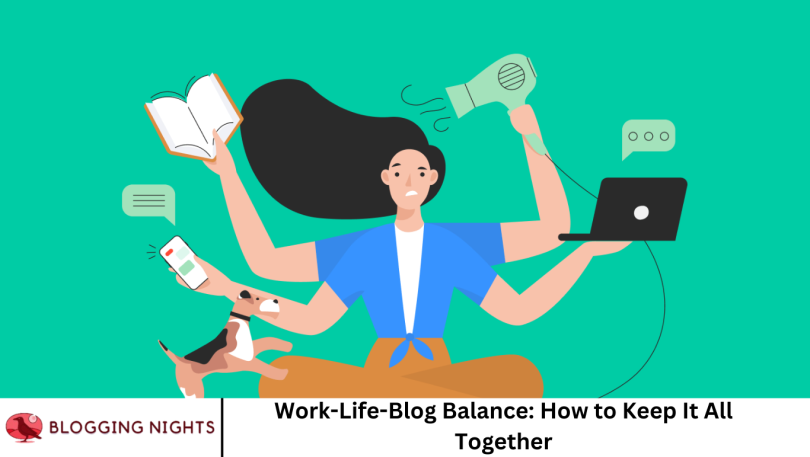

Blogging isn’t just a hobby anymore. It’s a legitimate side hustle and, for some, even a full-time career. According to a 2024 survey by GrowthWriter, over 38% of employed professionals maintain a blog, with 21% earning supplemental income from it.
The appeal is obvious: flexibility, creative freedom, and the potential for passive income. But as more people juggle multiple roles, the risk of burnout also rises.
That’s why finding harmony among work, life, and blogging is critical—not just for productivity, but for your overall well-being.
More Read: Proven Blog Niches: 5 Topics That Deliver Results
Why Work-Life-Blog Balance Matters
When you’re trying to juggle deadlines, emails, content calendars, and family time, things can quickly spiral. Without balance, you may experience:
- Burnout: Physical and mental exhaustion due to overcommitment.
- Reduced Creativity: You can’t pour from an empty cup.
- Neglected Relationships: Friends and family may feel sidelined.
- Lower Blog Quality: Rushed or uninspired content hurts your brand.
- Work Performance Issues: Your primary job may suffer due to distraction or fatigue.
Balance isn’t about splitting your time equally—it’s about managing it intentionally based on priorities and energy.
Clarify Your Blogging Goals
Before creating a strategy, define what blogging means to you.
- Is it a passion project?
- A stepping stone to a career change?
- A platform for passive income?
- A creative outlet?
Understanding your “why” helps determine how much time and energy you can realistically devote to blogging without disrupting your work or life.
Tip:
Create a blogging mission statement and review it monthly to stay aligned.
Set Realistic Expectations
Many bloggers fall into the trap of comparing themselves to full-time influencers. Remember: you have a job, a life, and possibly a family to take care of. You can’t publish five posts a week or stay up until 2 AM editing videos forever.
Instead:
- Publish one high-quality post weekly or biweekly.
- Repurpose content into newsletters, Instagram captions, or podcasts.
- Automate or batch tasks (more on that later).
Build a Weekly Time Map
A weekly time map gives you a bird’s-eye view of where your hours are going. Block out non-negotiables like your job, sleep, meals, and family commitments. Then, identify time pockets for blogging.
Sample Weekly Breakdown:
Monday–Friday:
- 9 AM–5 PM: Work
- 6 PM–7 PM: Dinner/family
- 7:30 PM–9 PM (2x/week): Blogging tasks
Saturday:
- Morning: Content creation
- Evening: Social media scheduling
Sunday:
- Rest or blog brainstorming
This structured flexibility ensures you’re consistently showing up without feeling overworked.
Embrace Batching and Automation
Batching means grouping similar tasks together so your brain doesn’t switch gears constantly. For bloggers, this is a game-changer.
Batch Like a Pro:
- Monday: Research and outline
- Tuesday: Write draft posts
- Wednesday: Edit and format
- Thursday: Design graphics or take photos
- Friday: Schedule and publish
Combine batching with automation tools like:
- Buffer or Later for social media
- Trello or Notion for content planning
- Grammarly or Hemingway for editing
- Canva for quick visuals
Practice Ruthless Prioritization
When life gets hectic, not everything can be a priority.
Use the Eisenhower Matrix:
- Urgent + Important = Do it now
- Important but Not Urgent = Schedule it
- Urgent but Not Important = Delegate
- Not Urgent + Not Important = Eliminate
Apply this not just to blogging, but to work and life tasks. Say no to things that don’t align with your goals—even if they’re tempting.
Guard Your Mental Health
Balancing multiple roles can be stressful. Don’t ignore signs of mental fatigue. Burnout, anxiety, and sleep deprivation can ruin even the best plans.
Protect Your Mental Space:
- Take blogging breaks regularly
- Celebrate small wins
- Limit screen time before bed
- Don’t compare your journey to others
- Stay physically active (walks count!)
- Journal your thoughts to declutter your mind
- Remember, your blog should serve you—not the other way around.
Communicate with Your Support System
Don’t go it alone. Let your family or roommates know about your blogging goals. Their understanding can reduce tension and even encourage them to help out.
Try:
- Creating a shared Google calendar for transparency
- Scheduling “unavailable” time blocks for blog work
- Asking for occasional help with chores or errands
- A supportive environment makes all the difference.
Build a Sustainable Content Strategy
Blogging consistency matters more than frequency. Instead of churning out content, focus on long-term sustainability.
Sustainable Blogging Tips:
- Use an editorial calendar (monthly or quarterly)
- Plan content themes in advance
- Recycle evergreen content
- Invite guest bloggers or collaborate
- Set “bare minimum” content goals for tough weeks
- Consistency builds trust with readers—and trust builds traffic.
Learn to Pivot When Needed
Life is unpredictable. A new job, illness, or family event might throw off your blogging schedule. That’s okay. Don’t abandon the blog—just adjust:
- Pause for a few weeks
- Republish popular posts
- Share behind-the-scenes updates
- Write shorter, more personal pieces
Blogging isn’t all or nothing. It’s a flexible journey, and adaptability is your superpower.
Celebrate the Harmony
When you finally find your rhythm—when work, life, and blogging feel like allies instead of enemies—celebrate it. Treat yourself for hitting blogging milestones. Share your progress with your readers. Reflect monthly on what’s working and what’s not.
Work-life-blog balance isn’t static—it evolves. The key is to adapt, stay self-aware, and give yourself grace.
Frequently Asked Question
How many hours a week should I spend on blogging if I have a full-time job?
Start with 4–6 hours a week, spread across 2–3 sessions. This allows enough time to create quality content without compromising your work or personal life. Increase the hours only if it feels sustainable.
Is it okay to take breaks from blogging?
Absolutely. Breaks help prevent burnout and give you time to recharge. Let your readers know with a quick update post or banner so they stay informed.
What’s the best time to blog during a busy week?
Early mornings, late evenings, or weekend mornings work best for most professionals. Identify when your energy and focus are highest, and protect that window for creative work.
How do I stay motivated to blog long-term?
Revisit your “why” often. Celebrate small wins, connect with other bloggers, and mix up your content to keep things fresh. Most importantly, enjoy the process.
Can I still grow my blog if I post just once a month?
Yes. Consistency and value matter more than frequency. If your monthly posts are well-optimized and promoted effectively, you can still build an engaged audience.
How do I deal with guilt when I can’t blog regularly?
Guilt comes from unrealistic expectations. Remind yourself that you’re doing your best. Shift your focus from perfection to progress. One post is better than none.
Should I consider hiring help for my blog?
If your budget allows and you’re feeling overwhelmed, yes. Freelance writers, virtual assistants, or editors can help with content, social media, and tech maintenance.
Conclusion
Balancing work, life, and blogging isn’t easy—but it’s definitely possible with intention, boundaries, and flexibility. Your blog should empower you, not exhaust you. By taking small, consistent steps and checking in with yourself regularly, you can create a fulfilling rhythm that supports your goals and preserves your peace. So take a breath, open your content calendar, and start crafting a blogging life that fits you—not the other way around.