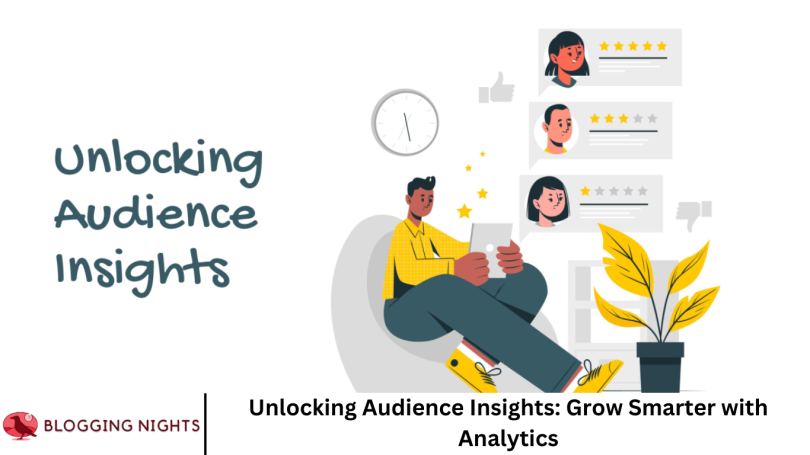

In today’s digital-first world, understanding your audience isn’t a luxury—it’s a necessity. Whether you’re a blogger, business owner, content creator, or marketer, success lies in knowing who your audience is, what they want, and how they interact with your content.
This is where analytics become your secret weapon.Audience analytics isn’t just about collecting numbers—it’s about turning raw data into real, actionable insight that fuels smarter strategies and sustainable growth.
This comprehensive guide will walk you through how to unlock those insights, leverage them to better understand your audience, and use them to grow strategically.
More Read: The Guest Blogging Advantage: Reaching New Audiences through Partnerships
Table of Contents
- What Are Audience Analytics?
- Why Understanding Your Audience Matters
- Tools to Help You Gather Insights
- Key Metrics That Matter
- How to Segment and Profile Your Audience
- Expanding Your Audience with Data
- Real-World Examples and Case Studies
- 7 Common FAQs About Audience Analytics
What Are Audience Analytics?
Audience analytics refers to the process of collecting, analyzing, and interpreting data about the people who interact with your content, products, or services. These insights help you answer critical questions such as:
- Who is my audience?
- Where do they come from?
- What are their preferences?
- How do they behave online?
This data can come from various platforms—social media, your website, email marketing, e-commerce platforms, and even ad campaigns. The goal is to develop a deeper understanding of your users to optimize content, improve conversion rates, and grow your audience base efficiently.
Why Understanding Your Audience Matters
Let’s face it: guesswork in marketing is dead. Brands that still rely on assumptions risk missing the mark with every campaign. Here’s why knowing your audience inside and out is mission-critical:
Personalization and Relevance
Analytics allow you to tailor your content and products to what your audience actually wants—not what you think they want. This leads to higher engagement and loyalty.
Better ROI
When you know which marketing channels work best and which customer segments are most valuable, you can allocate resources more effectively.
Improved Product Development
Feedback loops created by audience data inform product features, services, and user experiences that better serve your market.
Tools to Help You Gather Insights
Analytics tools are the key to unlocking data goldmines. Depending on your platform, these are some of the most popular and powerful ones available:
- Google Analytics (GA4): A comprehensive tool for tracking website behavior, traffic sources, conversions, and demographics.
- Meta (Facebook/Instagram) Insights: Helps you analyze post reach, engagement, and follower demographics.
- YouTube Analytics: Crucial for creators to track views, watch time, and audience retention.
- HubSpot & Mailchimp: Provide email marketing metrics like open rates, click-through rates, and subscriber growth.
- Hotjar: Offers heatmaps and session recordings to understand user behavior visually.
Choose your tools based on where your audience lives and interacts with your content.
Key Metrics That Matter
Not all metrics are created equal. To truly unlock audience insights, focus on key indicators that tell the story of engagement and growth:
Demographics
This includes age, gender, geographic location, and language. It gives a high-level view of who your audience is.
Engagement
Time on site, bounce rate, pages per session, likes, shares, and comments—these reflect how interested your audience is in what you’re offering.
Acquisition Channels
Learn where your traffic comes from: organic search, direct, social, referral, or paid campaigns. This tells you which efforts are paying off.
Conversion Rates
Track how many users take desired actions—signing up, purchasing, or clicking on a call to action. These metrics translate directly to business outcomes.
Customer Lifetime Value (CLV)
This predictive metric helps estimate how much revenue a customer will generate over time, which is essential for strategic planning.
How to Segment and Profile Your Audience
Segmentation is the practice of dividing your audience into smaller, more manageable groups based on shared traits or behaviors. This allows for more targeted messaging and personalized experiences.
Types of Segmentation:
- Demographic Segmentation: Age, gender, income, education level
- Geographic Segmentation: Region, country, urban vs rural
- Behavioral Segmentation: Purchasing behavior, engagement level
- Psychographic Segmentation: Lifestyle, values, personality
By combining these types, you can create detailed user personas and tailor content that hits the mark every time.
Expanding Your Audience with Data
Once you’ve nailed down your existing audience, the next step is growth. Here’s how analytics help:
Lookalike Audiences
Platforms like Facebook and Google allow you to find new users who share traits with your current audience. This increases the likelihood of engagement and conversions.
Identifying Content Opportunities
Use tools like Google Search Console or SEMrush to find keyword gaps—queries your potential audience is searching for but you haven’t covered yet.
Influencer and Partnership Insights
If influencer marketing is in your strategy, use analytics to evaluate which creators’ audiences overlap with or complement your own.
A/B Testing
Test variations of content or ads to see what resonates best with your audience. Let the data decide, not your gut.
Real-World Examples and Case Studies
A Fashion Brand’s Global Pivot
A boutique fashion brand noticed an uptick in traffic from Southeast Asia through Google Analytics. By translating product pages and launching region-specific promotions, they saw a 42% increase in sales from that region in just three months.
A Blogger’s Niche Expansion
A parenting blogger found through Pinterest analytics that a high number of visitors came for early childhood development content. She created a new series around toddler learning activities, leading to a 70% jump in email subscribers.
SaaS Platform Product Strategy
A SaaS company used user behavior tracking to discover that a lesser-used feature had high retention for a niche audience. They redesigned their onboarding to highlight this feature and attracted a whole new customer segment.
Frequently Asked Question
What is the best tool for audience analytics?
It depends on your platform. Google Analytics is a great all-rounder for websites, while Meta Insights excels for social media. For video content, YouTube Analytics is your go-to.
How often should I check my analytics?
Regular check-ins—at least weekly—are recommended. For campaigns or launches, daily monitoring may be useful to catch trends early.
What’s the difference between reach and engagement?
Reach refers to how many people see your content, while engagement measures how many interact with it (likes, comments, clicks, etc.).
How can I tell if my content is working?
Check metrics like bounce rate, average time on page, and social shares. If users are staying longer and sharing more, your content is doing its job.
Can small businesses benefit from audience analytics?
Absolutely. Even simple tools like Google Analytics or Mailchimp reports can uncover trends and guide smarter decisions.
How do I know which segment of my audience is most valuable?
Track conversion rates and lifetime value across segments. The group with the highest ROI is typically your most valuable.
What’s a quick way to grow my audience using analytics?
Use lookalike audiences in ad platforms, optimize high-performing content, and fill content gaps based on keyword or engagement data.
Conclusion
Audience analytics can transform how you approach content, marketing, and growth. It gives you a competitive edge in a crowded digital landscape by removing guesswork and replacing it with clarity. By routinely analyzing the right metrics, profiling your segments, and using insights to inform content and outreach strategies, you’re not just collecting data—you’re unlocking the blueprint to smarter, sustainable growth.