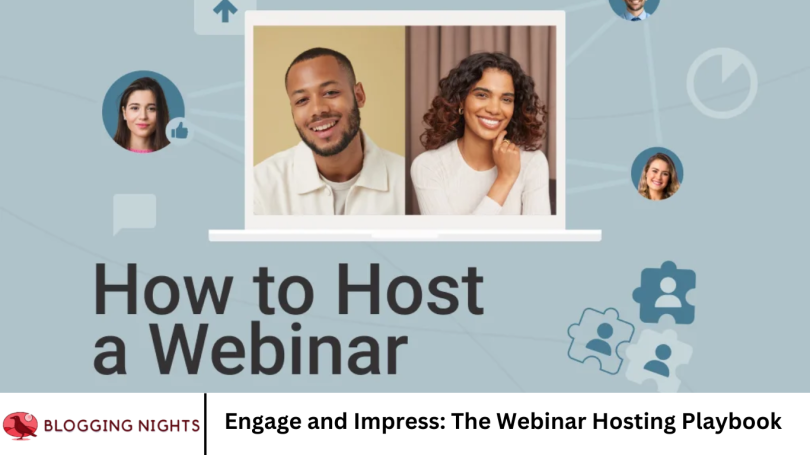

In today’s digital-first world, webinars are no longer a niche marketing tool — they’re a core pillar of communication, education, and brand building.
Whether you’re a solopreneur, a marketer, or part of a corporate team, learning how to host effective webinars can transform the way you connect with your audience.
This comprehensive playbook breaks down everything you need to know to engage, impress, and convert your attendees.
More Read: Unlocking Audience Insights: Grow Smarter with Analytics
Why Webinars Matter More Than Ever
Webinars have exploded in popularity thanks to their convenience, scalability, and ability to offer real-time interaction. According to recent studies, 73% of B2B marketers say webinars are the best way to generate high-quality leads.
Key Benefits of Webinars:
- Cost-effective and scalable
- Position you as a thought leader
- Drive sales and marketing alignment
- Offer real-time feedback and interaction
- Provide valuable content for repurposing
Laying the Groundwork – Planning Your Webinar
The secret to a successful webinar starts long before anyone joins the session. Proper planning is essential.
Choose a Clear Topic and Goal
Ask yourself:
- What problem does your audience need solving?
- What transformation can you offer them?
- What action should they take afterward?
Know Your Audience
Use polls, analytics, and past webinar data to define:
- Demographics
- Interests
- Skill levels Tailor your content to their expectations, not your assumptions.
Pick the Right Format
Depending on your goal, you might choose:
- Presentation-style (slides and talking)
- Interview/Q&A (guest experts)
- Panel discussion
- Workshop-style (interactive)
Tools of the Trade – Choosing the Right Webinar Platform
Your platform can make or break your webinar experience. While Zoom is the go-to for many, there are plenty of other players, including:
- Webex
- GoToWebinar
- Demio
- Livestorm
- BigMarker
Consider:
Audience size limits
- Ease of use
- Integration with CRMs and marketing tools
- Interactive features like polls, chats, and breakout rooms
- Analytics and reporting capabilities
Crafting Content That Keeps Viewers Glued
Webinar content isn’t just about delivering value — it’s about keeping attention.
Build an Outline
Use the “Hook, Teach, Close” model:
- Hook – Grab attention with a surprising stat or relatable story
- Teach – Deliver core value and insights
- Close – Offer next steps or a compelling CTA
Create Visual Aids
Slides should be:
- Minimalist (no paragraph blocks)
- Visually engaging (use charts, icons, and images)
- On-brand with your tone and style
Script Smartly
Don’t read slides. Use speaker notes to expand ideas naturally. Keep a conversational tone — imagine explaining to a friend.
Engagement Techniques That Actually Work
The real magic of webinars is their ability to connect in real time. But engagement doesn’t happen by accident.
Best Practices:
Start with a poll or icebreaker
- Use names when answering questions
- Ask for input often (“Type ‘yes’ if that makes sense!”)
- Incorporate live chats and breakout rooms
- Offer mini-quizzes to reinforce learning
Pro Tip:
Assign a co-host or moderator to monitor chat and field questions. It takes pressure off the presenter and boosts response speed.
Marketing Your Webinar Like a Pro
Even the best webinar fails without attendees. Your promo strategy is crucial.
Build a Landing Page
Include:
- Catchy headline
- What they’ll learn
- Speaker bios
- Date/time
- Registration form
Promote Across Channels:
- Email blasts with countdown reminders
- Social media ads and posts
- Blog posts or guest articles
- Influencer shoutouts
- Cross-promotion with partners
Timing is Everything:
- Start promotion 2–3 weeks in advance
- Send a reminder 1 week, 1 day, and 1 hour before the event
Running the Show – Delivering With Confidence
Live day is here! A few key steps can ensure a smooth delivery.
- Do a Tech Run-Through
- Test audio, video, slides
- Check the platform’s interface
- Ensure stable internet
- Close unused tabs and notifications
Set the Right Vibe
- Log in early and greet attendees
- Use webcam for a human touch
- Smile, breathe, and bring the energy
- Stick to time limits
Expect the Unexpected
If tech issues or disruptions happen, stay calm. Your grace under pressure builds trust.
The Follow-Up Funnel – Don’t Drop the Ball
The webinar isn’t over when the session ends. Post-event follow-up is where many results live.
Send a Thank You Email
Include:
- Recording link
- Key takeaways or downloadable slides
- CTA (book a call, sign up, purchase, etc.)
Analyze the Results
Track:
- Attendance vs. registration
- Engagement rates (polls, questions asked)
- Drop-off points
- Conversion rates
- Use this data to improve your next webinar.
Repurpose and Reuse – Maximize Your Webinar’s Value
Your webinar is a content goldmine.
Ways to Repurpose:
- Blog posts
- Podcast episodes
- Social media clips
- Slide decks on LinkedIn
- Email newsletter content
This extends the value of one event across multiple channels, fueling your content calendar.
Case Study – A Real-Life Webinar Success
The Scenario: A small marketing agency wanted to grow its email list and booked 500 new leads from a single 45-minute webinar.
What They Did Right:
- Used a trending topic: “How to Write AI-Powered Emails That Convert”
- Partnered with an email automation tool for co-promotion
- Offered a free swipe file download as a lead magnet
- Repurposed the session into five blog posts, a YouTube video, and a LinkedIn carousel
Result: 3 new clients, 2 partnership inquiries, and 2K+ views on repurposed content
Frequently Asked Question
How long should a webinar be?
Most successful webinars are 30 to 60 minutes long. Shorter ones are great for quick tips, while longer formats allow for deeper teaching or multiple speakers.
Should I charge for my webinar?
Free webinars work best for lead generation and visibility. Consider paid webinars if you’re offering high-value training or niche expertise.
What if no one shows up?
It happens. Use the recording to create evergreen content. Evaluate your promotion strategy and try again — consistency pays off.
How do I deal with nervousness?
Practice is key. Run through your script, use bullet points (not full paragraphs), and remember: people want you to succeed. Being human makes you relatable.
How far in advance should I promote my webinar?
Start at least 2–3 weeks ahead. Send multiple reminders, and use multiple channels to boost attendance.
Can I host a webinar alone?
Yes, but having a co-host or moderator helps manage technical issues, field chat questions, and share the spotlight.
How do I get people to engage during the webinar?
Ask open-ended questions, use polls, call out names, and encourage chat. Offer small rewards like shoutouts or freebies for participation.
Conclusion
Hosting webinars isn’t just a marketing tactic — it’s a skill. With the right prep, tools, and strategy, you can captivate your audience, deliver serious value, and grow your brand all at once. Whether you’re hosting your first or your fiftieth, the principles in this playbook will guide you toward webinar greatness.