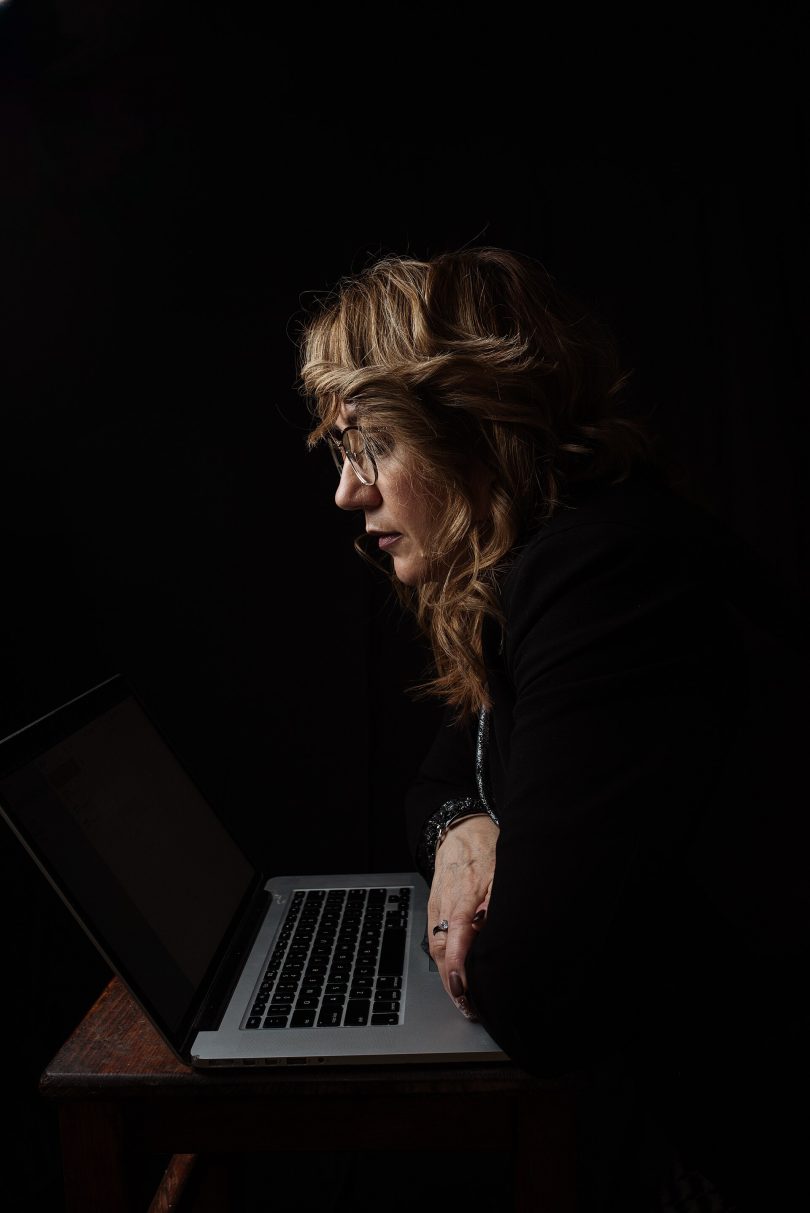

There is a particular kind of quiet that settles over a desk after midnight. The notifications have stopped, the house is asleep, and for many bloggers this is when the real writing finally happens. Night-owl writers have always treasured these hours, but lately a new presence has joined them at the keyboard: artificial intelligence tools that can draft, summarise, rephrase and brainstorm at any hour, without ever getting tired or asking for coffee.
The interesting question is not whether these tools are being used — they plainly are — but how experienced bloggers manage to use them without sanding away the quirks, opinions and rhythms that made readers follow them in the first place. A blog, after all, is a voice before it is anything else. At Blogging Nights, we have been listening to late-night writers describe their workflows, and a clear pattern has emerged: the tool does the heavy lifting, but the human keeps the steering wheel.
Where AI Actually Helps After Dark
The most common uses are unglamorous, and that is precisely why they work. Bloggers describe using AI to turn a messy voice note into an outline, to suggest headline variations at 2 a.m. when their own brain has run dry, or to compress a rambling first draft into something tighter. Researching unfamiliar topics is another favourite: a quick AI summary gives a writer the lay of the land before they check the details against proper sources, a workflow technology desks such as BBC Technology have also documented as AI assistants spread through creative industries.
Editing is where the tools arguably earn their keep. A tired writer at the end of a long session is a poor proofreader, and an AI pass can catch repeated words, tangled sentences and paragraphs that say the same thing twice. Several night bloggers told us they treat the output the way they would treat a keen but junior editor: useful suggestions, frequently wrong instincts, and absolutely no final say.
The Voice Problem, and How Bloggers Solve It
Every blogger who has experimented with generated text knows the uncanny moment when a paragraph comes back sounding fluent, polished and completely unlike them. The sentences are fine; the personality has evaporated. Coverage of generative AI in The Guardian’s technology section has repeatedly raised this flattening effect, and night writers have developed their own defences against it.
The most effective defence is feeding the tool your own material. Writers paste in two or three of their favourite published posts and ask for edits in that style, rather than accepting the default internet voice. Others use AI only for structure — headings, transitions, summaries — while writing every opinion, anecdote and joke themselves. Many keep a simple rule: if a sentence could have been written by anyone, it gets rewritten by hand. Anecdotes from real life, half-formed opinions and odd little asides are exactly what readers subscribe for, and no model can invent your memories for you.
A Night Routine That Keeps You in Charge
The bloggers who seem happiest with these tools share a loose routine. They start with their own notes, however rough, so the piece has a spine of genuine thought. They let the software handle outlining, tightening and headline options. Then they do a final pass with fresh eyes, reading aloud, restoring the phrases that sound like them and deleting anything that sounds like a brochure.
- Draft the core argument yourself before opening any tool.
- Use AI for structure, summaries and second-opinion edits.
- Feed it examples of your own writing to protect your style.
- Read the final piece aloud and cut anything that is not you.
Used this way, AI becomes less a ghostwriter and more a night-shift assistant: tireless, fast and best kept away from the decisions that matter. The bloggers thriving with it are not the ones producing the most words, but the ones whose readers cannot tell where the machine helped — because the voice on the page is still unmistakably theirs. For more on writing after dark, see our latest coverage of creative routines and tools.